


The prosperity gospel preaches a simple equation: faith equals wealth, loyalty equals blessing, success equals divine proof. Believe. Give. And Claim. And God will reward you with money, health, and victory. It is capitalism dressed in scripture, empire translated into prayer.
When Donald Trump descended that golden escalator, it did not clash with the theology. It confirmed it. Here was a man with towers in his name, gold-plated everything, a living emblem of “God’s favor.” For those raised in prosperity churches, he was not hypocrisy, he was prophecy fulfilled.
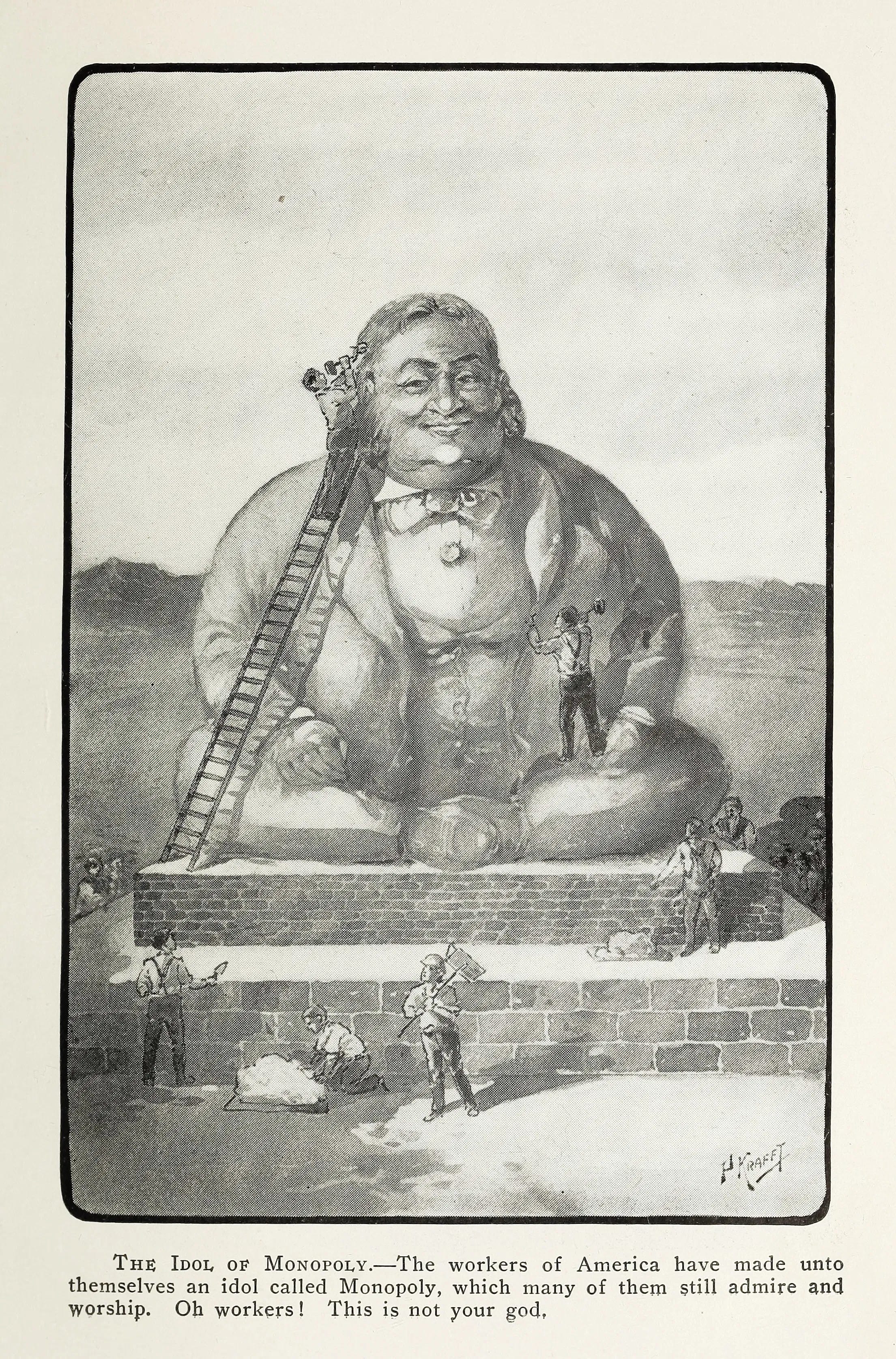
The Roots: Televangelism’s Promise
The prosperity gospel did not spring from nowhere. It grew in the soil of American televangelism.
In the 1950s, Oral Roberts broadcast a new kind of message: “Plant a seed of faith, and God will multiply it back to you.” Donations became investments. The airwaves became pulpits. Faith was rebranded as transaction.
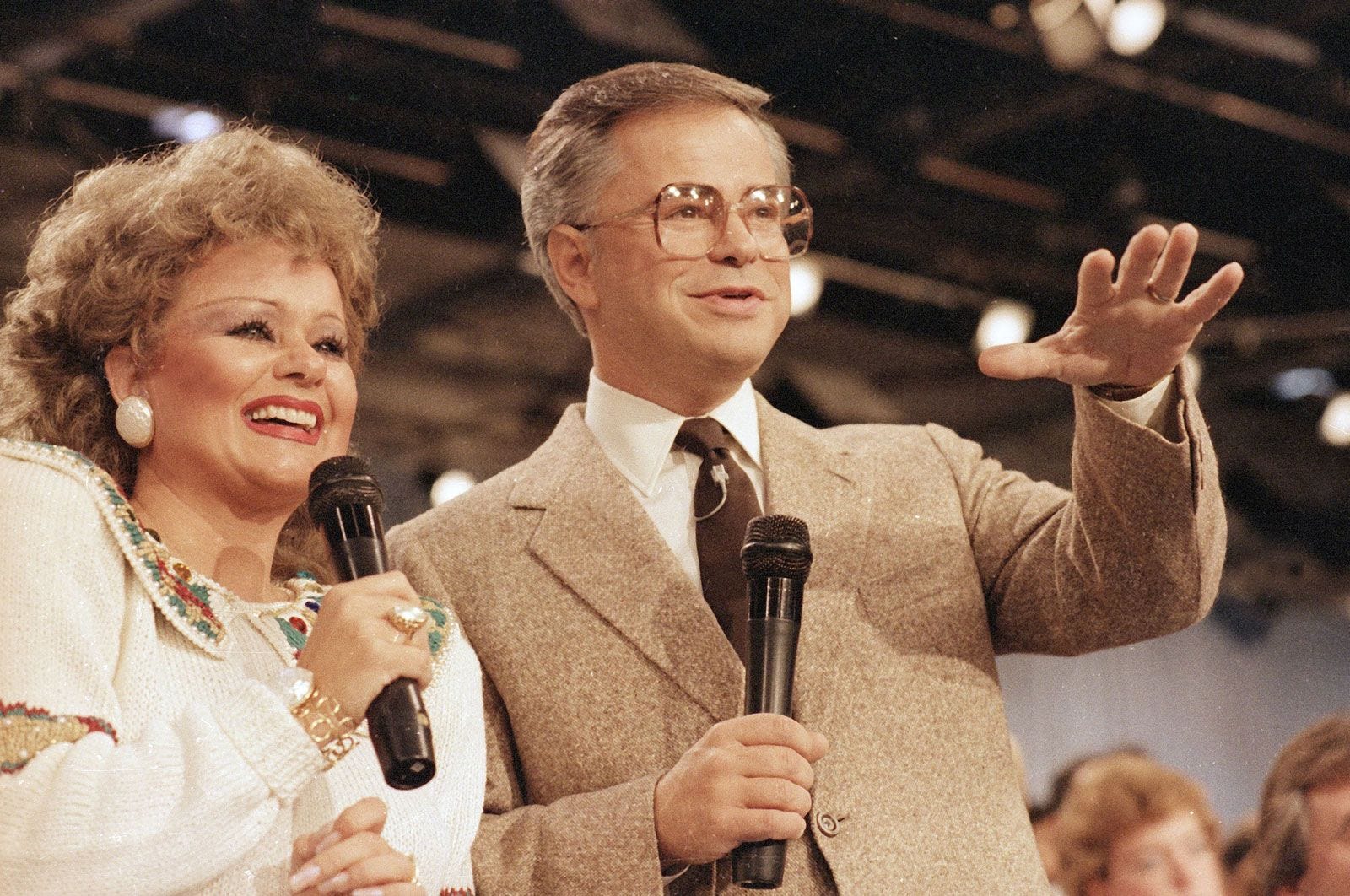
In the 1980s, preachers like Jim Bakker and Tammy Faye built empires (theme parks, TV networks, sprawling ministries) until scandal toppled them. Yet even in collapse, the formula survived: wealth as proof, giving as leverage, blessings as return on investment.
By the 1990s and 2000s, megachurches institutionalized the model. Pastors in designer suits preached from stages lit like stadiums. Congregants were told to tithe as “seed money” for their own prosperity. This was not fringe; it became mainstream in many American evangelical spaces.
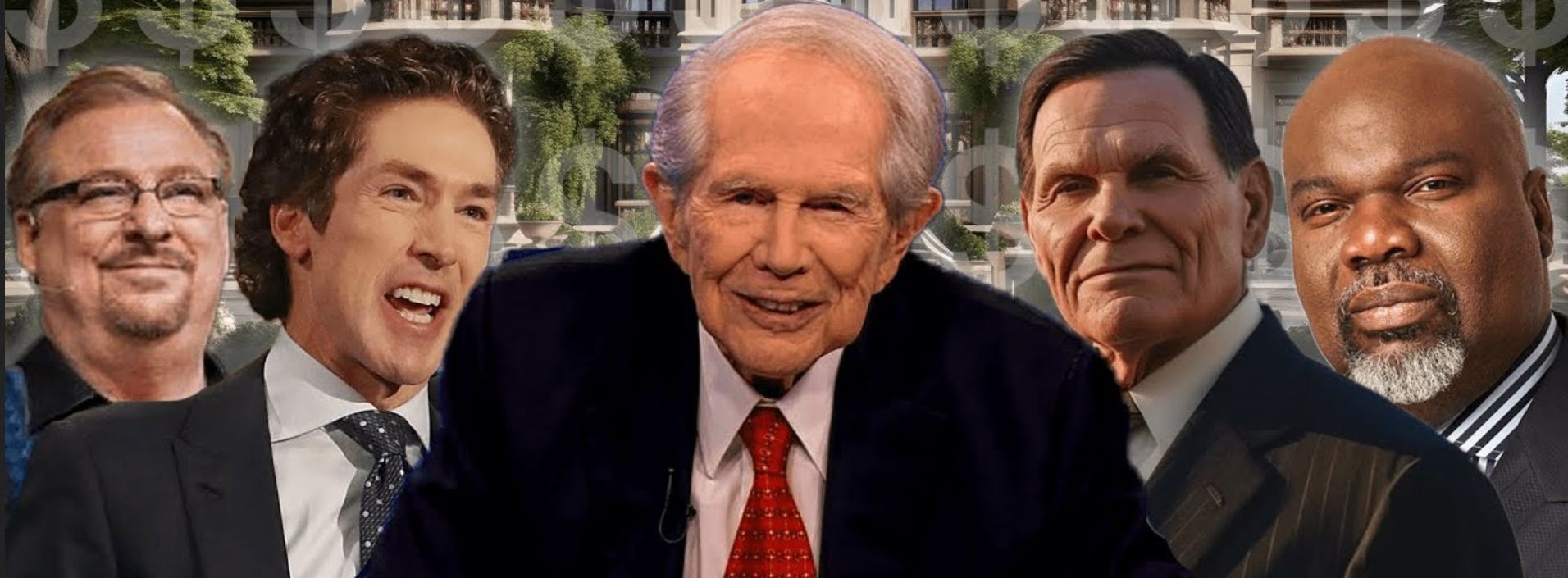
The Theology Fits the Brand
The prosperity gospel insists wealth is a sign of divine approval. Trump’s image (billionaire, builder, “winner”) matched the sermon. Excess was not sin but validation. If God blesses the faithful with riches, then the rich must be faithful.
To his followers, the gold wasn’t gaudy. It was holy.
Preachers and Platforms
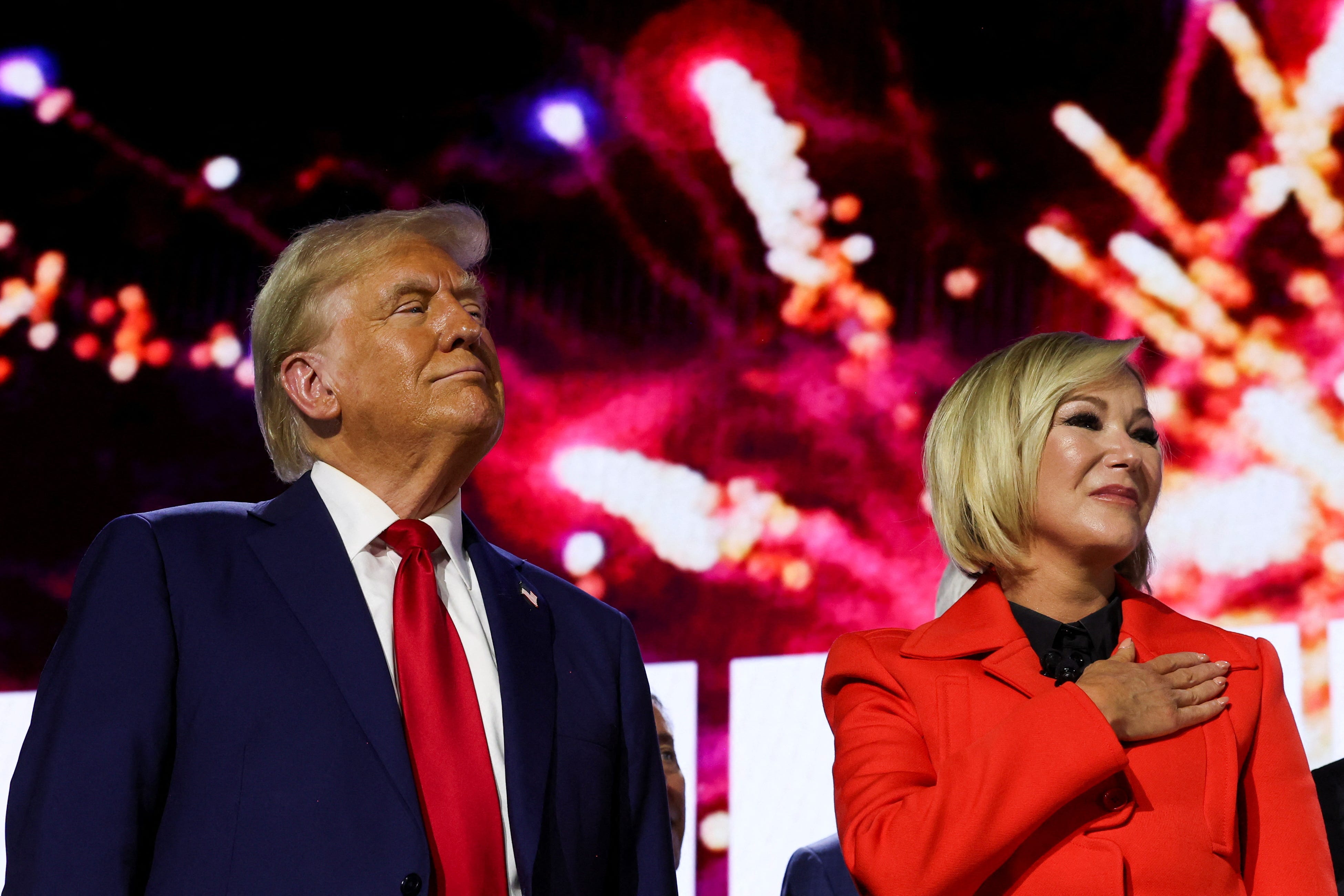
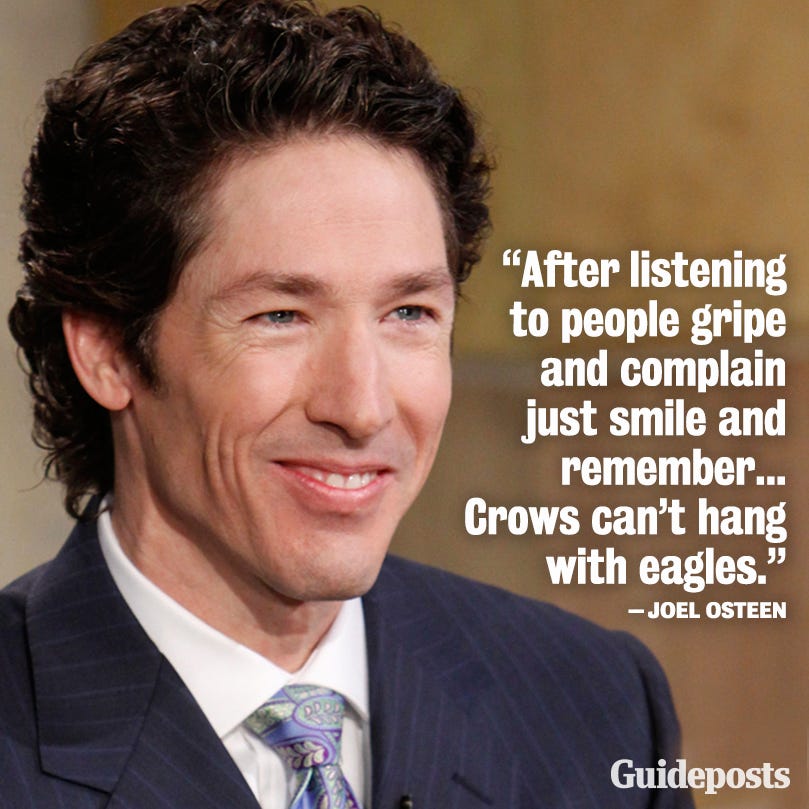
Trump’s campaign was blessed from the pulpit. Paula White (see above image), a prosperity preacher with a global following, became his spiritual advisor. She told audiences that supporting Trump was supporting God’s plan. Donations to her ministry and loyalty to Trump blurred together in the language of “seed faith.”
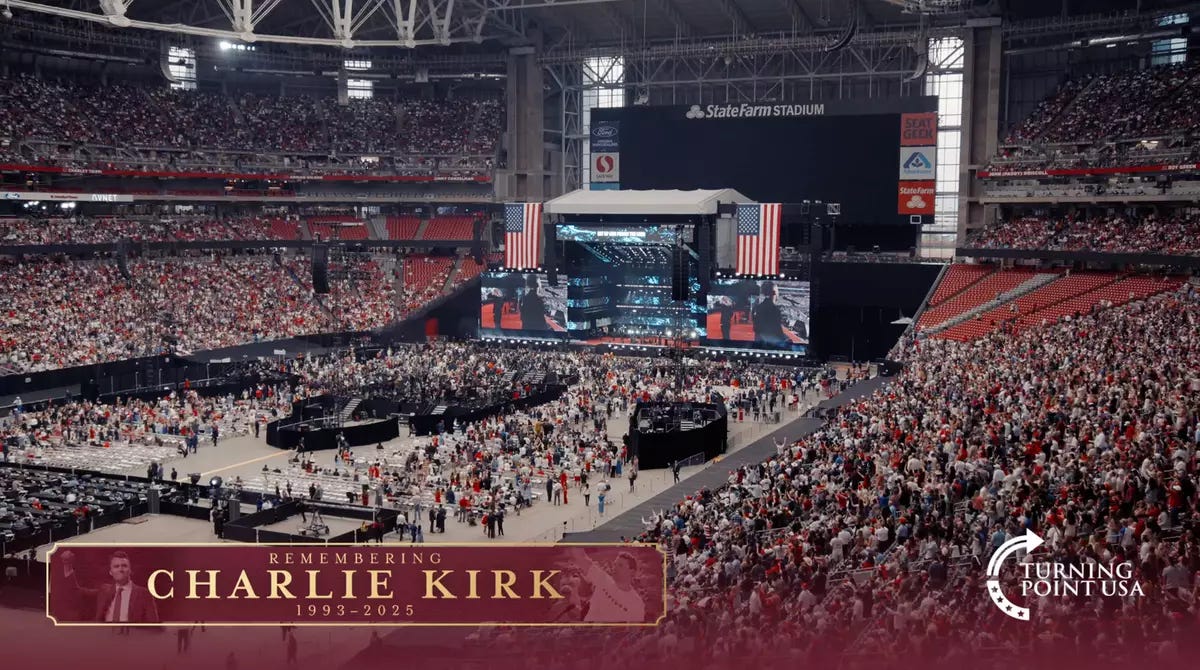
Churches that preached prosperity became staging grounds for political mobilization. Sanctuaries became campaign halls. Faith and politics merged into a single transaction.
Blame Is Privatized
Prosperity logic says hardship is your fault. If you are poor, you lack faith. If you are sick, you failed to claim healing. That theology pairs perfectly with politics that rejects structural reform.
Why invest in universal healthcare if illness is a spiritual flaw? Why fight inequality if poverty is proof of weak faith? Systemic problems vanish. Blame shifts inward. The message flatters the powerful and burdens the powerless.
Enemies Explained Away
Every scandal, every indictment, every investigation could be recast through prosperity logic as spiritual warfare. Opposition was not evidence of corruption but proof that Satan feared him.
Trump’s enemies became God’s enemies. His legal troubles became signs of divine favor. Each attack hardened his chosen status.
Capitalism Baptized
The prosperity gospel makes capitalism sacred. Wealth accumulation is not greed, it is righteousness. Success in business becomes proof of God’s hand.
That logic baptizes economic policy. Tax cuts for the rich? God rewarding the faithful. Deregulation? Freedom from man’s interference in divine abundance. Market success becomes a sermon, corporate profit a hymn.
The Promise of Immunity
The prosperity gospel promises a shield: believe, give, stay loyal, and you will be spared poverty, illness, decline. Trump repackaged that same shield for politics. Loyalty to him would protect America from cultural loss, economic collapse, demographic change.
The formula was the same:Believe. Follow. Give. And you will be safe.
Why It Stuck
The prosperity gospel did more than blend church and capitalism. It rewired the way millions understood the world. Wealth became virtue. Power became proof. Loyalty became blessing. Poverty, illness, or dissent were not conditions to be addressed but failures of faith.
In that landscape, politics was no longer about policy or debate. It was reframed as faith itself: a battlefield between the chosen and the cursed, the blessed and the condemned. Nuance died. Compromise became betrayal. Every opponent became an enemy of God.
So when Trump arrived, he did not have to invent the narrative. He stepped into it. The gold towers, the bravado, the insistence that loyalty to him would guarantee protection. It all resonated with ears already trained by decades of prosperity preaching. He was not an aberration. He was the logical conclusion.
And this is the danger that lingers.
A faith built on transaction will always look for the next deal-maker. A gospel that sanctifies power will always kneel before the next strongman. The prosperity gospel made Trump possible, but it will not end with him.
This is the cost of worshiping winners: you bind yourself to their fate. The gospel of gold was never about heaven. It was always about empire, draped in scripture, selling salvation that can never arrive.
TOW
The prosperity gospel was not a side current.
It was the perfect incubator for Trumpism.
A theology that married capitalism to scripture
and built a base ready to equate
empire with faith.
ETHER
The gospel of gold is a cruel covenant.
It baptizes greed, sanctifies empire,
and promises immunity it cannot deliver.
Its true miracle is survival, not of faith,
but of hierarchy disguised as holiness.