

Trump and Stolen Valor
When the language of war is spoken without proximity to its cost

And then after the war, which we won, we won it big, without us, right now you’d all be speaking German and a little Japanese perhaps. After the war, we gave Greenland back to Denmark. How stupid were we to do that? But we did it.
When Donald Trump says “we won the war,” he is claiming the sacrifice he never made. It is in that single word “we” where he tries to assign credit, authority, and moral leverage by implication alone.
He places himself in a victory built by others, turning their loss into his credentials. He has taken what was once remembrance and turned it into appropriation.
He is not saying this to veterans.
He is not saying it to historians.
He is not even saying it to the American public.
He is making this claim in front of the leaders gathered at the 2026 World Economic Forum in Davos. Heads of state. Ministers. Finance chiefs. Architects of global capital and diplomacy.
“We won the war” serves as a marker of hierarchy, reminding allies and rivals that American power is ancestral, permanent, and unaccountable. The United States is taken from a partner shaped by shared sacrifice and made into a benefactor owed deference.
Victory is entitlement.
Liberation is property.
Gratitude is a debt.
It is through this inheritance claim that Trump has dropped all modesty and begun speaking as an empire. He only invoked history to establish rank.
So, what is history actually saying?
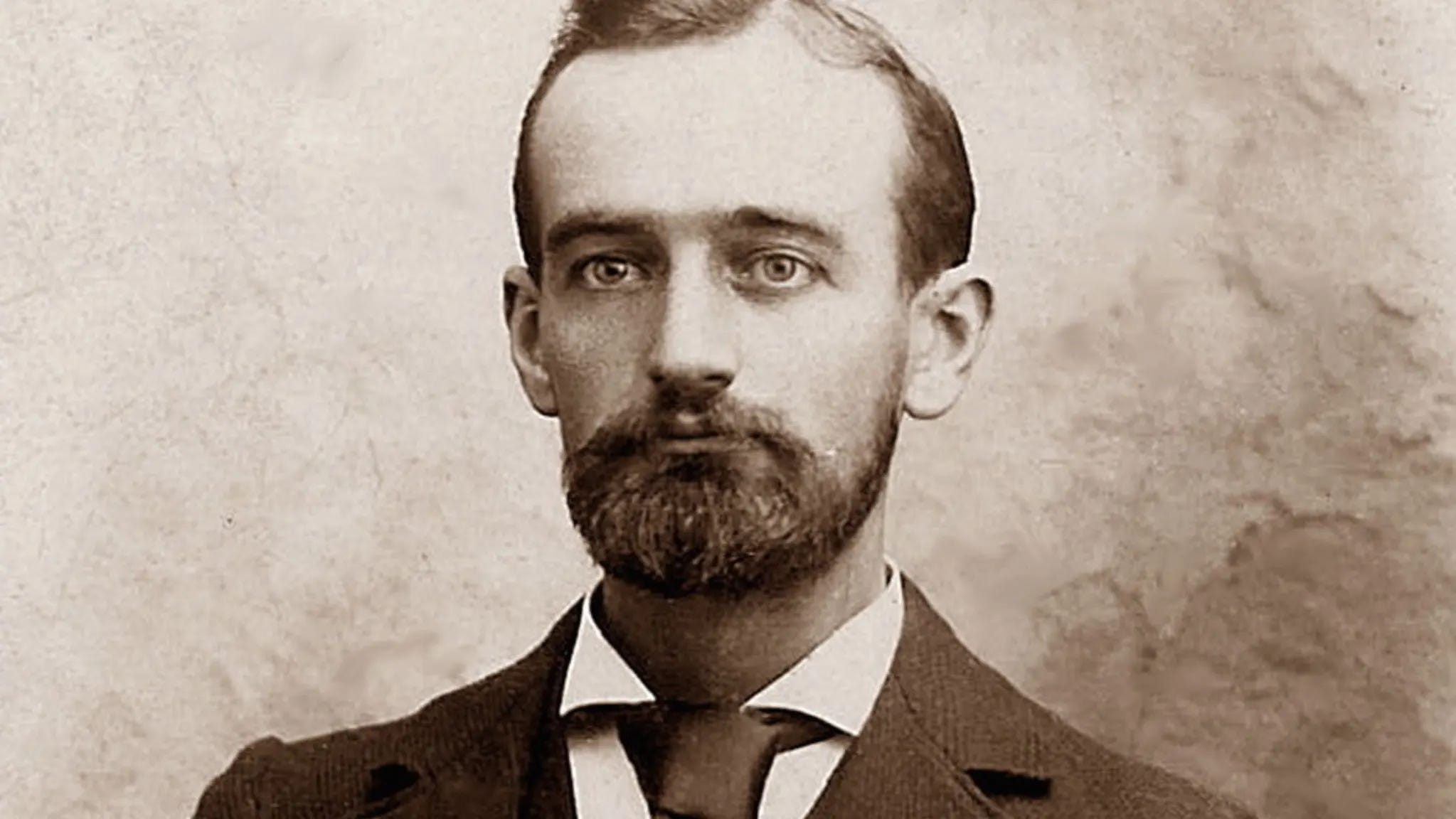
Donald Trump’s grandfather, Frederick Trump, emigrated from Bavaria to the United States in 1885 at the age of 16. There wasn’t any war at the time, but there was mandatory military service, and he left before serving.
He initially worked as a barber, but moved west during the Klondike Gold Rush. In Seattle, Washington, he operated restaurants and lodging houses that catered to miners and transient workers. This is how he accumulated capital.
Contemporary advertisements for Frederick Trump’s Arctic Restaurant and Hotel included “Rooms for Ladies,” a common euphemism at the time for prostitution integrated into boom-town hospitality.
In 1901, he returned to Germany with his money, but the Bavarian authorities denied him citizenship on the grounds that he had evaded mandatory military service and ordered him to leave.
He was sent back to the United States.
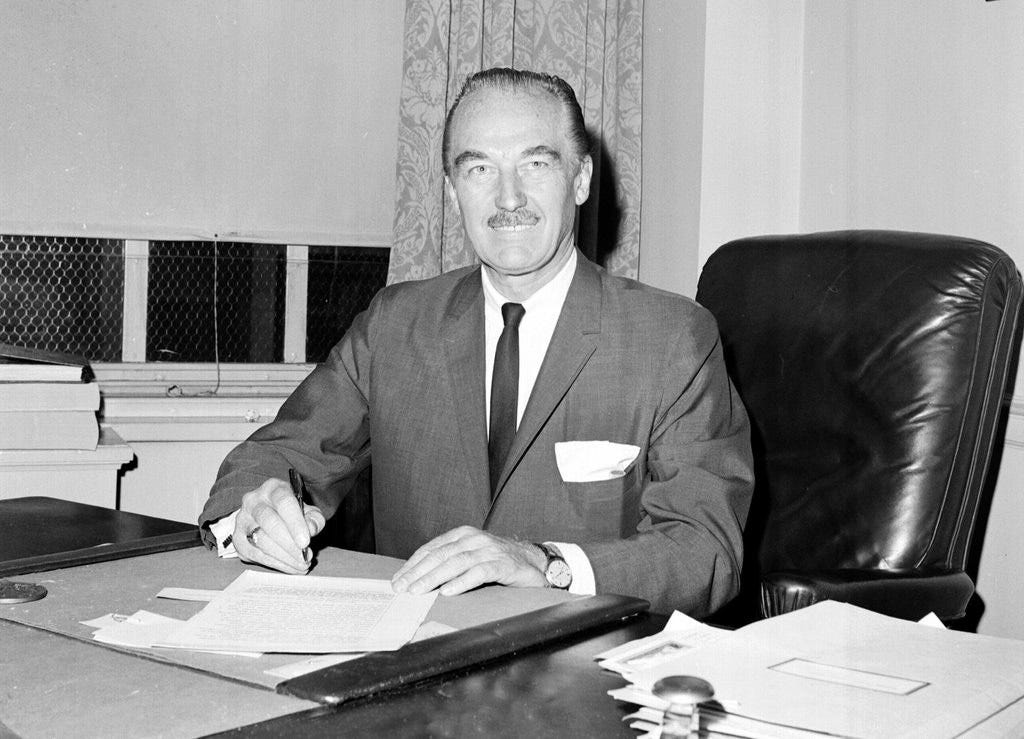
Donald Trump’s father, Fred Trump, was born in the Bronx on October 11, 1905, to immigrant parents. When the First World War began, he was about 11 or 12 years old, too young to serve. And by the time World War II came around, he was already past the age of service: 36 at the start and 40 by the time it ended. Of course, that is not a crime, but it defines distance.
Fred’s proximity to the conflicts that reshaped the twentieth century was economic, not martial.
In 1934, the Federal Housing Administration was created to stabilize the housing market after the Great Depression. It standardized mortgages, lowered down payments, and shifted the risk for builders and lenders onto the federal government. While millions were mobilized or pulled into defense industry jobs, Fred Trump remained at home and expanded his real estate business under these federally protected conditions.
Cities grew rapidly during the war, and housing couldn’t keep up. When the war ended, all those who had been deployed returned and needed a place to live. But this wasn’t a free market surge. Postwar housing demand was engineered. The GI Bill guaranteed loans for veterans, massively expanding the pool of buyers.
Fred specialized in large, standardized, federally compliant apartment complexes. He built what the policy rewarded and scaled what government underwriting made safe.
While millions experienced the disruption of war, Fred Trump saw it as an economic springboard.

Donald Trump was born on June 14, 1946 in Queens New York City one year after World War II ended. His father was first generation American, and his mother, who emigrated from Scotland to the United States in 1930, became a naturalized U.S. citizen in 1942.
Donald Trump was not a veteran of the war. He wasn't a dependant of one either. His only proximity to war was during Vietnam, and he was eligible for the draft.
But Donald Trump did not serve in Vietnam. He received four student deferments while in college, followed by a medical deferment in 1968 for alleged bone spurs, at the height of the war.
No record of treatment.
No record of ongoing disability.
Only a diagnoses from a doctor connected to the family.
Not illegal, but is the complete opposite of sacrifice.
Trump experienced Vietnam not as interruption or risk, but as background noise. While others were drafted, injured, or killed, his life continued uninterrupted. Education completed. Business pursued. Capital accumulated.
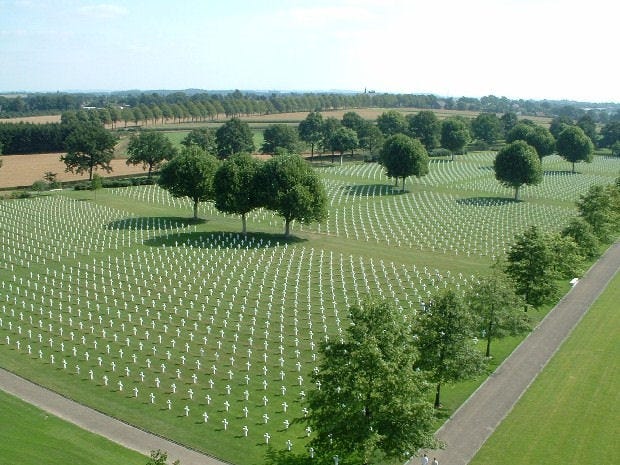
Three generations.
No American uniforms.
No combat service.
No blood.
No grave.
But we won.
We gave.
And THEY are ungrateful.
Trump invoking "we won the war" does not come from memory, service, or from loss. He is speaking from a distance, using victory as credentials he did not earn, musing of sacrifice he willingly did not bear.
“We” assigns credit.
“We” assigns authority.
“We” decides who gets to speak down to others.
When that word is detached from cost, it becomes a tool.
When it is repeated from a position of power, it edges toward policy.
This is not an argument about patriotism.
It is not an argument about immigration.
It is an argument about who gets to claim the violence of the past as a credential in the present.
Trump has robbed the graves of our grandfathers and grandmothers with his entitlement.
And the timeline is clear.
The war was fought by others.
The language is being used by someone else.