


🖤 We Need to Talk About Antifa
“Antifa” was never an organization. It was a word built to scare you. A shapeless threat stitched together by headlines, hearings, and hand-picked footage of fire. A phantom used to justify power.
🥷When the cameras needed a villain, they found one in the streets. A mask, a flag, a moment of chaos. Overnight, “Antifa” became the catch-all for anything that looked like resistance. Protesters, medics, journalists, teachers. Anyone who stood in the way of the police line could be folded into it.
🥷 Now the story has changed. The same networks that once shouted “terrorist” are booking sit-down interviews with “former Antifa members.” The tone is softer. There are redemption arcs, quiet confessions, moral lessons. The monster that was never real is being reanimated through those who claim to have lived inside it.
🥷 We are watching a myth evolve in real time. Not because the truth changed, but because the lie still has work to do.
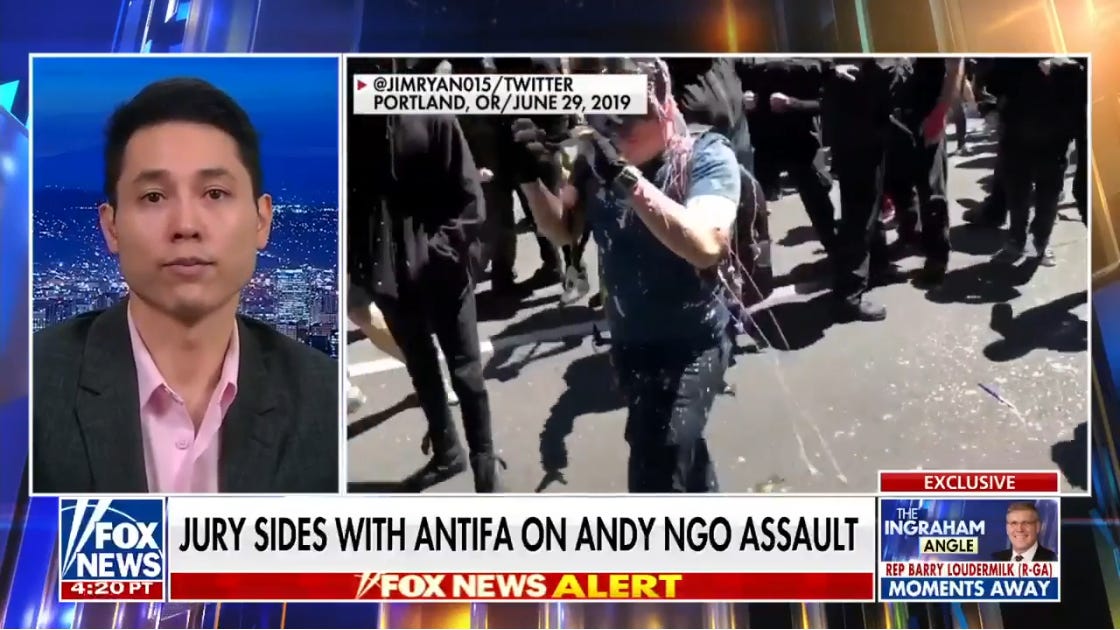
The Manufactured Enemy
“Antifa” was never a headquarters. It had no board, no funding stream, no oath. It was a principle disguised as a plot. What began as small networks of anti-fascist organizers, medics, and watch groups was inflated into a national threat by people who needed one.
🥷 The story worked because it had no edges. Anyone could be called Antifa. If you carried a sign, if you filmed the police, if you stood too close to a protest line, you could be pulled into the frame. The word became elastic enough to fit anyone inconvenient.
🥷 It gained power through repetition. News anchors said it like a curse. Politicians used it to rally fear. Officials drafted reports with the name printed in bold but never defined. Each mention made the myth heavier until it began to outweigh the truth.
🥷 By the time the state declared Antifa a “terrorist organization,” the machinery was already built. Intelligence centers, cross-agency task forces, and social media monitoring units were waiting. The label turned protest into insurgency. It gave permission for federal surveillance, data collection, and blacklists that reached far beyond the streets.
🥷 Every generation gets its phantom. In the sixties it was communists. In the seventies it was radicals. In the 2000s it was terrorists. In the 2020s it became Antifa. The face changes, but the pattern stays: create a threat vague enough to justify any response.
🥷 This was never about protecting the public. It was about preparing the ground. Once the enemy exists, the tools to fight it never go back in the box.
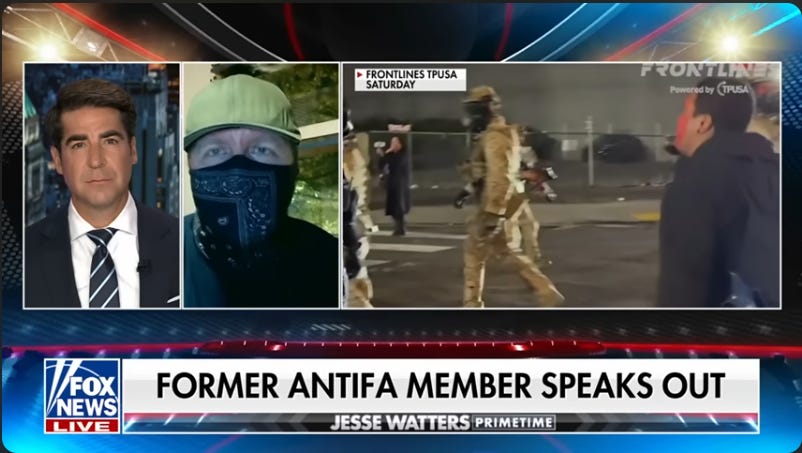
The “Former Antifa” Media Tour
Once the myth is built, it needs witnesses. That is where the “former Antifa members” come in. They appear on podcasts, panels, and cable interviews, introduced as voices from inside the beast. They talk about rage, manipulation, and how they “escaped the movement.” They use the same phrases, the same structure, the same script.
🥷 Most of these stories follow a pattern. The subject confesses to being “lost.” They describe protests as cult rituals. They talk about being seduced by chaos and later “saved” by patriotism, faith, or reason. The arc is tidy. It sounds familiar because it was designed to be.
🥷 These redemption tours are not journalism. They are maintenance. They keep the myth alive long after the smoke has cleared. They give it a human face, a testimony, something you can empathize with. The message is simple: rebellion is a phase, dissent is a sickness, and the only cure is returning to the fold.
🥷 Behind the scenes, the same institutions that once denounced Antifa now promote its survivors. Think tanks sponsor the interviews. Media outlets frame them as warnings. Politicians quote them when pushing new laws. Each confession becomes another brick in the story that Antifa was real, organized, and everywhere.
🥷 The irony is quiet but sharp. The people who called Antifa a ghost now rely on that ghost to keep fear alive. It is propaganda doing what propaganda does best: recycling itself into memory.
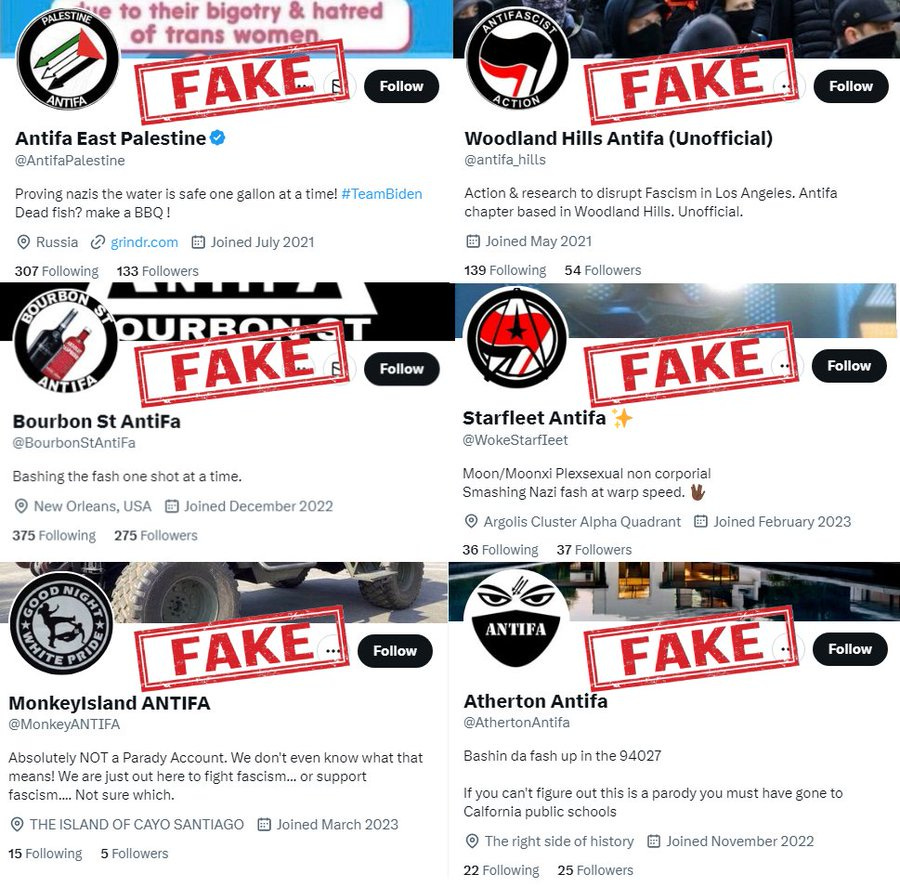
The Real Legacy of Antifa
Behind the noise, antifascism has always been a practice, not a brand. It was born in the streets of Europe before the Second World War, when people organized to keep fascists from marching unopposed. It moved across borders with refugees and workers who had seen what silence could do. It survived through community defense groups, labor unions, and youth movements that refused to let hate organize in public.
🥷 In the United States, antifascism reemerged whenever fascism did. From fighting segregationists in the South to confronting neo-Nazis in the 1980s, it was a loose network of people who believed violence should never go unanswered, and that self-defense was not extremism. It has always been decentralized because fascism itself never sleeps in one place.
🥷 Antifa was never about chaos. It was about accountability — the kind that governments refused to enforce. When institutions looked away, people acted. When police protected white power rallies, locals formed barriers to keep their neighbors safe. The method was not perfect, but the intent was clear: stop harm before it spreads.
🥷 The caricature of Antifa as a terrorist force erased the history of antifascism as a civic duty. It turned resistance into pathology. It allowed the state to criminalize opposition while claiming neutrality. Yet every time fascism gains ground, antifascism returns, because it is less an organization than an instinct.
🥷 You cannot dissolve a reflex. You can only smear it until people forget what it was protecting.
Why the Myth Persists
The myth survives because it is useful. Every administration needs a villain broad enough to justify control. “Antifa” became the convenient shape for that need. It could mean a protester, a journalist, a teacher, a stranger with a mask. It could mean anyone who resists too loudly.
🥷 Both political parties found purpose in the fiction. The right used it to rally fear and unify their base around law and order. The left used it to distance themselves from radicals and prove their respectability. Between them, a consensus formed: dissent is dangerous when it does not ask permission.
🥷 The security state thrives in that agreement. “Antifa” allowed new budgets for surveillance, predictive policing, and counter-extremism programs that quietly monitor domestic activists. It helped transform public protest into a security issue, one that could be tracked, cataloged, and neutralized. The apparatus built to fight an invisible enemy never retires. It only finds new names.
🥷 The media also keeps it alive. Cable segments need conflict, and “Antifa” still performs well in the algorithm. Each mention resurrects the phantom. Each headline draws the outline a little darker. It is a myth that feeds on repetition, and repetition is the lifeblood of news.
🥷 As long as the machinery that profits from fear remains, the word will not die. It will adapt. It will drift. It will be used again when the next protest grows too large to control.
What We Need to Talk About
We need to talk about how easily a myth can become policy. How a word repeated often enough can erase its origin. “Antifa” was never the threat. It was the reflection of one. It showed us how fragile a democracy becomes when opposition is mistaken for extremism.
🥷 We need to talk about what happens when movements built to resist fascism are written out of history. When the story of those who stood against it is replaced with televised confessions and redemption arcs that keep the lie alive. When antifascism becomes something to apologize for.
🥷 We need to talk about how the people who built this myth are still using it. Not to fight fascism, but to define its boundaries. To decide who counts as a citizen, who counts as a threat, who counts at all.
🥷 Because the danger is not that Antifa will rise again. The danger is that the conditions that required it never left. Fascism does not always march in uniform. It passes laws. It funds think tanks. It calls itself patriotism.
🥷 Antifascism is not a club, and it does not need a flag. It is a civic responsibility. It is the refusal to let power rewrite harm as order.
The myth will fade. The need will not.